
In recent years, the construction industry has witnessed a significant shift towards modular housing solutions, particularly in the context of labor camp construction. Modular houses offer a range of advantages that address the unique challenges of providing accommodation for workers in various industries. This article explores the benefits of modular houses in labor camp construction, highlighting aspects such as cost-effectiveness, speed of construction, sustainability, and overall quality.
Understanding Modular Housing
What Are Modular Houses?
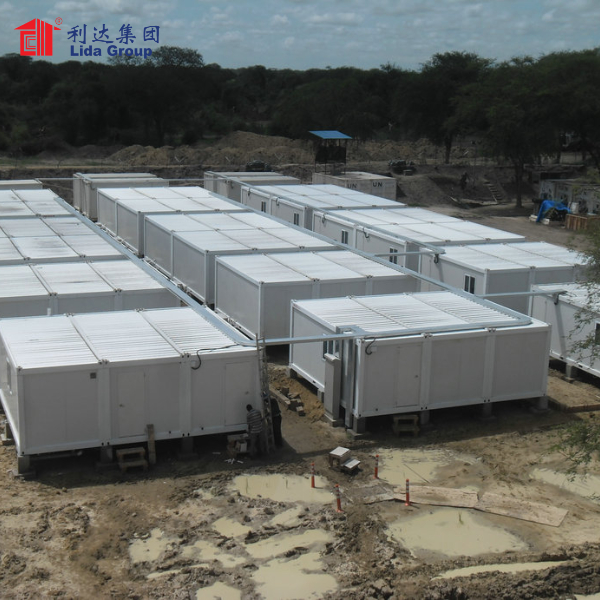
Modular houses are prefabricated structures built in sections or modules in a factory setting. These modules are transported to the construction site, where they are assembled into a complete building. Unlike traditional construction methods, which often take place entirely on-site, modular construction allows for a streamlined process that can significantly enhance efficiency and quality.
Key Features of Modular Houses
- Off-Site Construction: The majority of the construction occurs in a controlled factory environment, minimizing the impact of weather and other external factors.
- Speedy Assembly: Modules can be assembled quickly on-site, leading to faster project completion times.
- Customization: Modular houses can be tailored to meet the specific needs of labor camps, including layout, size, and amenities.
- Durability: Built to withstand various environmental conditions, modular houses are often made from high-quality materials designed for longevity.
The Advantages of Modular Houses in Labor Camp Construction
1. Cost-Effectiveness
One of the most compelling reasons to choose modular houses for labor camp construction is their cost-effectiveness:
- Lower Labor Costs: Since much of the construction is completed off-site, fewer laborers are needed on-site, significantly reducing labor costs.
- Material Efficiency: Modular construction minimizes waste through precise manufacturing processes, allowing for better material utilization and lower overall costs.
- Reduced Site Preparation Costs: The streamlined assembly process often requires less extensive site preparation compared to traditional construction methods.
2. Speed of Construction
Speed is a critical factor in labor camp construction, where timely delivery of housing can impact project timelines and worker satisfaction:
- Concurrent Processes: While modules are being manufactured in the factory, site preparation can occur simultaneously, significantly reducing overall project duration.
- Quick Assembly: Once the modules arrive on-site, they can be assembled rapidly, allowing workers to move in sooner than with traditional building methods.
- Minimized Disruption: The expedited construction process reduces the time workers are in temporary housing, which can enhance morale and productivity.
3. Flexibility and Customization
Modular houses offer significant flexibility and customization options that make them ideal for labor camp settings:
- Tailored Designs: Modular homes can be designed to meet the specific needs of different industries, whether it’s for oil and gas workers, construction crews, or seasonal agricultural workers.
- Expandable Units: As the labor force grows or shrinks, modular houses can be easily expanded or reconfigured to accommodate changing needs.
- Diverse Layouts: Modular construction allows for various layouts, from single-occupant units to larger shared accommodations, depending on the workforce requirements.
4. Sustainability
Sustainability is an increasingly important consideration in construction, and modular houses offer several environmental benefits:
- Reduced Waste: The controlled manufacturing environment leads to less construction waste compared to traditional building methods.
- Eco-Friendly Materials: Many modular manufacturers prioritize the use of sustainable and recyclable materials, contributing to a lower carbon footprint.
- Energy Efficiency: Modular houses can be designed with energy-efficient systems, such as high-quality insulation and energy-saving appliances, reducing operational costs and environmental impact.
5. Improved Quality Control
Quality is critical in labor camp construction, where worker safety and comfort are paramount:
- Factory Standards: Modular houses are built in a controlled environment where quality can be consistently monitored, leading to fewer defects and higher overall quality.
- Durable Construction: The use of high-quality materials and advanced construction techniques ensures that modular homes can withstand harsh conditions, providing a safe living environment for workers.
- Comprehensive Testing: Modular units undergo rigorous testing and inspection before delivery, ensuring they meet all safety and building codes.
6. Enhanced Worker Comfort and Satisfaction
Providing comfortable living conditions for workers is essential for maintaining morale and productivity:
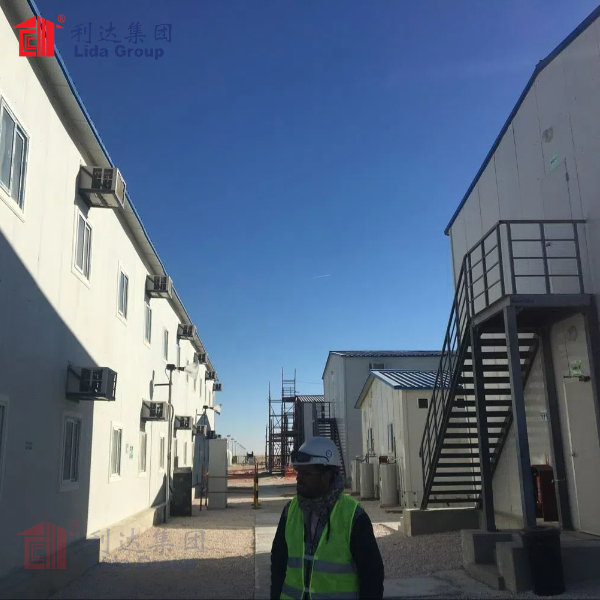
- Modern Amenities: Modular houses can be equipped with modern amenities, such as kitchens, bathrooms, and common areas, improving the quality of life for residents.
- Personal Space: The design of modular homes allows for private living spaces, giving workers a sense of ownership and privacy, which is often lacking in traditional labor camps.
- Community Spaces: Many modular designs incorporate communal areas for social interaction, fostering a sense of community among workers.
7. Quick Deployment and Mobility
In industries where labor needs can change rapidly, the ability to deploy housing quickly is crucial:
- Rapid Setup: Modular houses can be delivered and set up in a short period, making them ideal for projects that require immediate housing solutions.
- Relocation Flexibility: If the project site changes, modular homes can often be disassembled and relocated with relative ease, providing a flexible housing solution.
8. Health and Safety Benefits
Worker health and safety should always be a priority in labor camp construction:
- Improved Air Quality: Modular homes can be designed to include proper ventilation and air filtration systems, promoting better indoor air quality.
- Safe Construction Practices: The factory construction process minimizes on-site hazards, reducing the risk of accidents during the building phase.
- Compliance with Safety Standards: Modular homes are built to meet all relevant health and safety codes, ensuring a safe living environment for workers.
Case Studies: Successful Implementation of Modular Houses in Labor Camps
Case Study 1: Oil and Gas Industry
Challenge: A major oil and gas company faced difficulties in providing adequate housing for its workforce in a remote location, leading to high turnover rates and low morale.
Solution: The company partnered with a modular construction firm to design and build a labor camp using modular homes. The project included single-occupant units, shared living spaces, and recreational areas.
Outcome: The modular labor camp was completed ahead of schedule and within budget. Workers reported increased comfort and satisfaction, leading to improved retention rates and productivity.
Case Study 2: Construction Workforce Housing
Challenge: A large construction project required temporary housing for a significant influx of workers, but traditional construction methods would have taken too long.
Solution: The project manager opted for modular houses, allowing for quick deployment of housing units tailored to the workers’ needs.
Outcome: The modular homes were assembled in a matter of weeks, providing safe and comfortable accommodations. The project stayed on schedule, and workers appreciated the quality of their living conditions.
Case Study 3: Agricultural Seasonal Workers
Challenge: A farming operation struggled to house seasonal workers during peak harvest periods, leading to logistical challenges and worker dissatisfaction.
Solution: The farm owner implemented modular housing solutions, creating a labor camp that could accommodate fluctuating workforce numbers.
Outcome: The flexible design allowed for easy expansion and contraction of housing units based on workforce needs. Workers enjoyed improved living conditions, contributing to a more efficient harvest process.
The Future of Modular Houses in Labor Camp Construction
Technological Advancements
The future of modular housing is closely tied to technological advancements that enhance construction efficiency and quality:
- Smart Construction Techniques: Innovations in construction technology, such as 3D printing and advanced robotics, are likely to further streamline the modular building process.
- Building Information Modeling (BIM): The use of BIM allows for better design visualization, improved collaboration, and more efficient project management, ultimately leading to higher-quality modular houses.
Sustainability Initiatives
As environmental concerns continue to rise, the demand for sustainable housing solutions will grow:
- Renewable Energy Integration: Future modular houses may incorporate renewable energy systems, such as solar panels and wind turbines, to promote energy independence and sustainability.
- Eco-Friendly Materials: The use of sustainable building materials will become more prevalent in modular construction, further reducing the environmental impact.
Global Expansion
The benefits of modular houses are likely to drive global expansion in labor camp construction:
- Emerging Markets: As developing countries seek efficient housing solutions for their growing workforces, modular houses can play a vital role in meeting these needs.
- Cultural Adaptation: Modular designs can be customized to fit local architectural styles and cultural preferences, making them suitable for diverse markets.
Conclusion
Modular houses represent a transformative approach to labor camp construction, offering numerous benefits that address the unique challenges of providing worker accommodations. From cost-effectiveness and speed of construction to sustainability and enhanced quality, modular homes provide a viable solution for industries requiring temporary housing.
As the demand for efficient and comfortable living spaces continues to rise, modular construction will play an increasingly important role in the housing landscape. Companies like Lida Group are leading the charge, demonstrating the advantages of modular houses in labor camp construction. By investing in modular housing solutions, industries can enhance worker satisfaction, improve productivity, and contribute to a more sustainable future.
In a world where adaptability and efficiency are paramount, modular houses stand out as a beacon of innovation, ready to redefine the standards of labor camp construction for years to come.
Contact Us
Post time: Feb-22-2025